

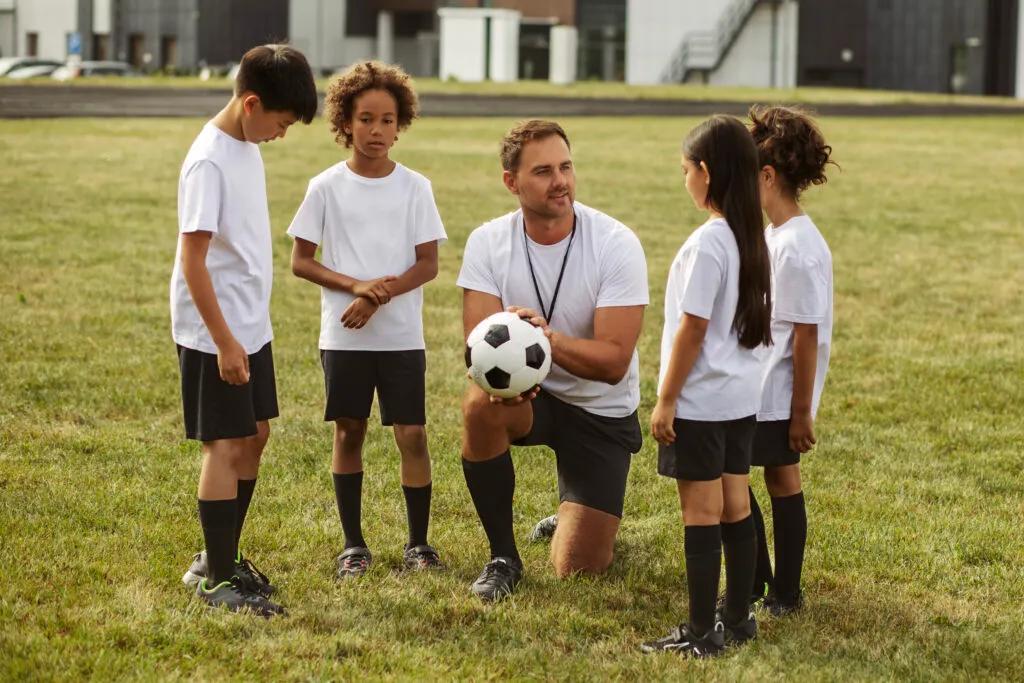
Parents often look for activities that help children grow both on and off the field. Soccer camps provide opportunities for young players to develop athletic abilities, build friendships, and gain confidence in a structured setting. A quality kids soccer camp Brighton experience focuses on more than technical skills alone. It creates an atmosphere where children feel encouraged to participate, learn, and enjoy the game. When players feel supported and engaged, they are more likely to develop a lasting interest in soccer while gaining valuable life skills that contribute to their overall development. Soccer camps that emphasize positive learning environments often produce the most meaningful experiences for young athletes.
The Importance of a Positive Learning Environment
Helping Children Feel Comfortable
Children learn most effectively when they feel safe, welcomed, and supported. Soccer camps that create a positive atmosphere allow players to participate without fear of making mistakes. Coaches who encourage effort and improvement help children become more comfortable trying new skills. When young athletes feel accepted, they are more willing to take part in activities and challenge themselves. This sense of comfort plays a significant role in both skill development and overall enjoyment of the sport.
Encouraging Long Term Participation
A positive experience often influences whether children continue participating in sports. When soccer camps focus on enjoyment and personal growth, children are more likely to remain interested in learning and improving. Experts frequently emphasize that fun, engagement, and meaningful participation contribute to long term involvement in youth activities. Programs that balance development with enjoyment help children build positive associations with sports and physical activity.
Building Confidence Through Soccer Activities
Celebrating Progress and Effort
Confidence develops when children recognize their own growth and accomplishments. Soccer camps that celebrate effort rather than focusing only on results help players feel successful throughout the learning process. Coaches who acknowledge improvement encourage children to continue practicing and developing their skills. Small achievements such as completing a new drill or demonstrating teamwork can have a significant impact on a young player's confidence and motivation.
Creating Opportunities for Success
Every child develops at a different pace. Effective soccer camps provide activities that allow players of varying abilities to experience success. Age appropriate instruction and skill based exercises help ensure that challenges remain manageable while still encouraging growth. When children achieve goals that match their abilities, they develop greater confidence and become more willing to take on future challenges.
Supporting Skill Development
Learning Through Engaging Activities
Young players often learn best when activities are interactive and enjoyable. Soccer camps frequently use games and creative exercises to teach technical skills such as passing, dribbling, and ball control. Active participation keeps children engaged while allowing them to practice important techniques repeatedly. Research and coaching resources consistently emphasize that players develop more effectively when learning occurs through enjoyable experiences rather than passive instruction.
Encouraging Continuous Improvement
Skill development is most effective when children receive opportunities to practice regularly and receive constructive feedback. Soccer camps provide concentrated learning experiences that allow players to focus on improvement. Repeated practice sessions help children build confidence while refining their abilities. Structured camp environments often provide more opportunities for skill repetition, which supports faster progress and greater familiarity with the game.
Developing Social Skills and Teamwork
Building Friendships Through Shared Experiences
Soccer camps bring together children who share a common interest in the sport. Through practices, games, and group activities, participants have opportunities to connect with peers and develop friendships. Positive social interactions contribute to a supportive atmosphere where children feel included and valued. Many campers consider friendships among the most rewarding aspects of their experience, making social development an important component of soccer camp participation.
Learning Cooperation and Respect
Team sports provide valuable lessons about working with others. Soccer camps encourage communication, cooperation, and respect among participants. Children learn how to support teammates, share responsibilities, and contribute to group success. These experiences help develop important social skills that can benefit children in school, family settings, and future activities. Learning to work effectively with others remains one of the lasting benefits of youth sports participation.
The Role of Coaches in Positive Learning
Providing Encouragement and Guidance
Coaches play a critical role in shaping the camp experience. Effective coaches create environments where players feel respected and motivated to learn. They provide clear instruction while encouraging effort and persistence. Positive coaching approaches help children build confidence and remain engaged throughout camp activities. When coaches focus on development and enjoyment, they help create experiences that are both educational and enjoyable.
Fostering a Growth Mindset
A growth mindset encourages children to view challenges as opportunities to improve. Soccer camps that emphasize learning rather than perfection help players become more resilient. Coaches who reinforce the value of practice and persistence teach children that progress comes through effort. This perspective helps young athletes approach difficulties with confidence and maintain motivation when learning new skills.
Promoting Healthy and Active Lifestyles
Encouraging Physical Fitness
Soccer camps provide children with regular opportunities for movement and exercise. Running, passing, and participating in games help improve fitness while keeping children active. Research indicates that recreational soccer can support physical fitness and contribute to overall health among children and young people. Active participation during camp helps children develop healthy habits while enjoying the benefits of physical activity.
Creating Positive Attitudes Toward Exercise
When physical activity is enjoyable, children are more likely to continue participating in sports and recreation. Soccer camps that focus on fun and engagement help young players develop positive attitudes toward exercise. These experiences encourage lifelong appreciation for movement and healthy living. Creating enjoyable opportunities for physical activity can have lasting benefits that extend beyond childhood sports participation.
Conclusion
A positive soccer camp environment can have a lasting impact on a child's development. Through supportive coaching, engaging activities, skill development, and meaningful social interactions, children gain valuable experiences that extend beyond the soccer field. Families seeking programs that balance learning, enjoyment, and personal growth often find the greatest benefits from well structured camps. Soccer Stars Huron Valley helps create opportunities for young players to build confidence, improve their abilities, and enjoy the game in a supportive setting. When children feel encouraged and motivated, they are more likely to develop a lifelong appreciation for soccer and active living.