

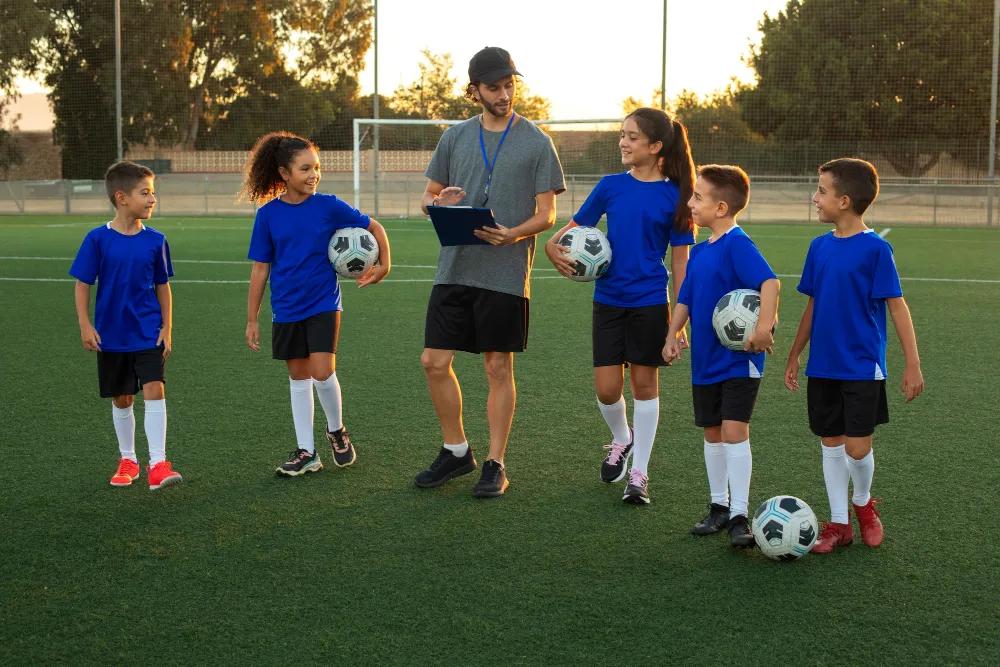
Children thrive when they have opportunities to stay active, learn new skills, and build meaningful relationships. Soccer remains one of the most popular sports for young athletes because it combines physical activity, teamwork, and personal development in an enjoyable environment. Parents searching for a youth soccer near me program often want more than just a place for children to play. They seek an experience that supports growth, encourages confidence, and helps young players develop a lasting love for the game.
Understanding the Importance of Youth Soccer Programs
Building Strong Athletic Foundations
Youth soccer programs provide children with an excellent opportunity to develop fundamental athletic skills. Running, balancing, changing direction, and coordinating movements all contribute to overall physical development. These foundational abilities benefit children not only in soccer but also in many other sports and activities. Research shows that participation in youth sports can support physical fitness, confidence, and social development, making organized soccer an excellent choice for growing players.
Encouraging Healthy Habits Early
Children who participate in regular sports activities often establish healthy habits that continue throughout their lives. Consistent training sessions encourage physical activity while reducing sedentary behaviors. Soccer also promotes discipline, responsibility, and commitment. By attending practices regularly and participating in games, young players learn valuable routines that support both physical and personal growth. These positive habits can contribute to long term wellness and a more active lifestyle during childhood and beyond.
Key Features of a Quality Soccer Program
Age Appropriate Instruction
One of the most important factors when selecting a soccer program is ensuring that instruction matches a child's age and developmental stage. Younger players benefit from fun activities that focus on movement, coordination, and basic ball skills. Older players often require more advanced training that introduces tactical awareness and game strategy. Programs that recognize developmental differences can create a more positive learning experience for every participant. Early childhood soccer experiences are especially important for building confidence and comfort with the game.
Qualified and Supportive Coaches
Coaches play a significant role in shaping a child's soccer experience. Effective coaches focus on teaching skills while creating a supportive atmosphere where players feel encouraged to learn. They understand that growth occurs through practice, patience, and positive reinforcement. A quality coach helps children develop technical abilities while also teaching sportsmanship, teamwork, and respect. The right coaching environment often determines whether a child remains engaged and excited about soccer over time.
Evaluating Program Structure and Curriculum
Skill Development Opportunities
Parents should look for programs that emphasize gradual skill development. Training sessions should include dribbling, passing, receiving, shooting, and defensive techniques appropriate for each age group. Consistent skill progression helps players build confidence while improving their performance on the field. Programs that balance structured instruction with enjoyable activities often create the most effective learning environment for young athletes who are still discovering their abilities.
Balanced Competition Levels
Competition can be beneficial when introduced appropriately. A strong soccer program provides opportunities for players to challenge themselves without creating unnecessary pressure. Children learn valuable lessons from competition, including resilience, teamwork, and problem solving. Programs that focus solely on winning may overlook important developmental goals. Instead, the best environments encourage effort, improvement, and enjoyment while helping players gradually enhance their competitive skills.
The Role of Fun in Player Development
Keeping Children Engaged
Fun remains one of the most important elements of youth sports participation. Children who enjoy their experiences are more likely to stay involved and continue developing their abilities. Engaging activities, encouraging coaches, and positive team interactions help create an environment where players look forward to every session. Studies of youth development programs consistently highlight enjoyment as a major factor influencing continued participation and long term growth.
Supporting Emotional Growth
Soccer provides many opportunities for emotional development. Players experience success, disappointment, teamwork, and personal achievement throughout the season. Learning how to manage these experiences helps children build resilience and emotional maturity. Participation in organized sports can also strengthen self confidence by giving players opportunities to set goals, overcome challenges, and celebrate progress. These benefits extend beyond the soccer field and support overall personal development.
Social Benefits of Youth Soccer Participation
Building Friendships and Teamwork
Soccer creates a unique environment where children interact with peers who share similar interests. Through practices and games, players learn how to communicate effectively, cooperate with teammates, and support one another. These interactions often lead to lasting friendships while strengthening social skills. Being part of a team teaches children the importance of working together toward shared goals, a valuable lesson that applies to many aspects of life.
Developing Leadership Skills
As players gain experience, they often take on greater responsibilities within their teams. Whether encouraging teammates, helping during practice activities, or demonstrating positive behavior, children naturally develop leadership abilities through soccer participation. Programs that encourage communication and teamwork help players gain confidence in their ability to contribute positively to group success. These experiences can strengthen decision making skills and prepare children for future leadership opportunities.
Factors Parents Should Consider
Program Philosophy and Goals
Every soccer program has a unique philosophy. Some focus heavily on competition, while others prioritize development and enjoyment. Parents should evaluate whether a program's goals align with their child's needs and interests. Programs that emphasize growth, learning, and positive experiences often provide a strong foundation for long term participation. Understanding a program's values can help families make informed decisions when selecting the right environment.
Safety and Player Well Being
Player safety should always remain a priority. Quality programs implement appropriate training methods, encourage proper warm ups, and maintain safe playing environments. Research highlights the importance of injury prevention strategies in youth soccer, particularly as players develop physically and increase their activity levels. Parents should seek programs that demonstrate a commitment to safety while providing enjoyable and effective training experiences.
Long Term Development Pathways
Supporting Continued Growth
The best soccer programs view development as a long term process rather than a short term outcome. Progress often occurs gradually, with improvements becoming visible over time. Coaches and parents who focus on learning rather than immediate results help create an environment where players can develop at their own pace. Youth soccer discussions frequently emphasize that growth involves technical skills, decision making, confidence, and understanding of the game rather than only goals and wins.
Creating Lifelong Enjoyment of the Game
A successful soccer experience encourages children to remain active and engaged in sports throughout their lives. Programs that prioritize positive experiences help players develop a genuine appreciation for the game. Whether a child eventually pursues competitive opportunities or simply enjoys recreational participation, the lessons learned through soccer contribute to personal growth, healthy habits, and meaningful experiences that extend well beyond childhood.
Conclusion
Finding the right youth soccer program involves evaluating coaching quality, developmental opportunities, safety practices, and overall program philosophy. Families searching for a suitable environment should focus on programs that balance skill development, enjoyment, teamwork, and personal growth. When children participate in supportive and engaging soccer experiences, they gain valuable physical, social, and emotional benefits that can last a lifetime. For families seeking a positive soccer experience that supports young athletes, Soccer Stars Huron Valley offers opportunities designed to help growing players learn, develop, and enjoy the game.