

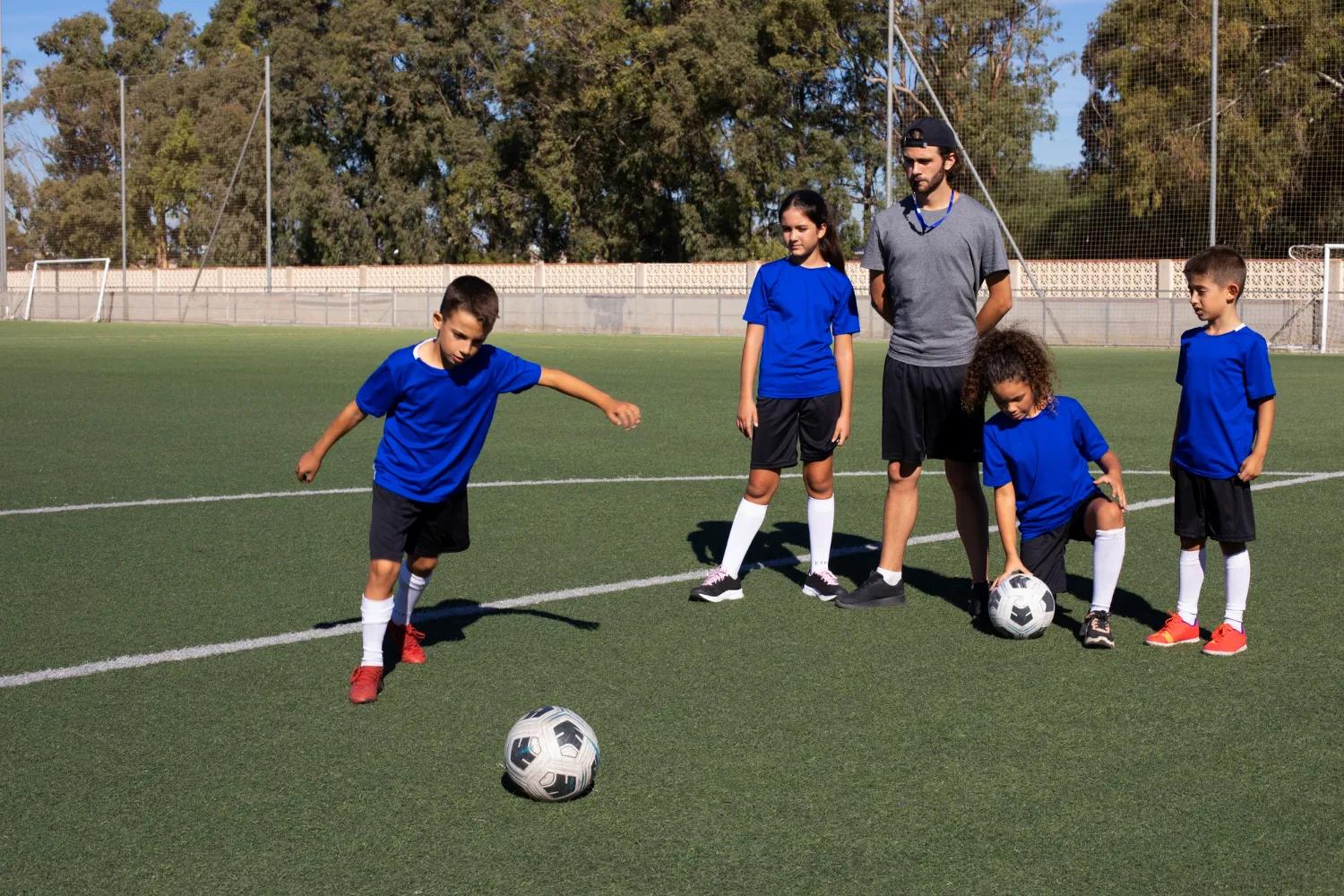
Children between the ages of six and twelve experience an important stage of growth that influences their physical abilities, social development, and emotional wellbeing. During these years, participation in organized activities can create valuable learning opportunities that support long term success. Many families choose sports because they encourage movement, discipline, and positive habits from an early age. One activity that continues to stand out for young participants is soccer for 6-12 year olds, as it combines fun, teamwork, learning, and personal growth in a supportive environment that helps children thrive.
Building Strong Physical Foundations
Improving Coordination and Movement Skills
Children develop many essential physical abilities through regular participation in soccer activities. Running, turning, kicking, and changing direction encourage the body to move efficiently while strengthening muscles and improving balance. These movements help children gain better control of their bodies and increase overall athletic ability. Consistent practice allows young players to become more confident in their physical capabilities while supporting healthy growth. As coordination improves, children often find it easier to participate in other recreational and school activities that require movement and physical awareness.
Encouraging Healthy and Active Lifestyles
Active participation in sports helps children establish habits that can benefit them throughout their lives. Soccer provides regular opportunities for movement while keeping children engaged through enjoyable activities and challenges. Instead of viewing exercise as a task, young players often associate physical activity with enjoyment and achievement. This positive connection encourages long term participation in healthy behaviors. Regular involvement also supports cardiovascular health, endurance, and overall fitness, helping children maintain energy levels while developing a stronger appreciation for active living during their formative years.
Developing Essential Soccer Skills
Learning Fundamental Techniques
Skill development is one of the most important benefits of youth soccer participation. Children learn how to control the ball, pass accurately, receive passes, and shoot with greater precision. Coaches typically introduce these skills through age appropriate drills that focus on improvement rather than perfection. Repetition and guided practice help children become more comfortable with each technique over time. As they master basic skills, players gain a sense of accomplishment that motivates them to continue learning and improving, creating a positive cycle of development and achievement.
Understanding Game Awareness
Beyond physical techniques, soccer teaches children how to think strategically during competition. Young players learn how to observe the field, anticipate movements, and make decisions under pressure. These experiences encourage problem solving and critical thinking in dynamic situations. Understanding positioning and teamwork helps players recognize how individual actions contribute to overall success. As children become more aware of the game, they develop stronger decision making abilities that extend beyond sports and into daily life experiences, supporting growth in multiple areas of personal development.
Strengthening Confidence Through Achievement
Celebrating Individual Progress
Confidence often grows when children recognize their own improvement over time. Soccer provides frequent opportunities for players to set goals, practice consistently, and achieve meaningful milestones. Whether learning a new skill, completing a successful pass, or contributing to a team effort, these accomplishments reinforce positive self belief. Coaches and supportive teammates can further encourage confidence by acknowledging effort and progress. As children experience success through dedication and persistence, they begin to trust their abilities and approach new challenges with greater optimism and determination.
Learning to Handle Challenges
Every young athlete encounters obstacles during the learning process. Soccer teaches children that mistakes are a natural part of improvement and that setbacks can lead to growth. Missing a goal or losing a game becomes an opportunity to learn valuable lessons about resilience and perseverance. Through constructive feedback and continued effort, players discover how to overcome difficulties and remain motivated. These experiences help build emotional strength and confidence, allowing children to approach future challenges with a positive attitude and a willingness to continue improving.
Enhancing Social and Communication Skills
Building Meaningful Friendships
Soccer brings children together in an environment that encourages cooperation and mutual support. Through practices, games, and shared experiences, players develop friendships that often extend beyond the field. Working toward common goals helps children learn how to interact respectfully with others while appreciating different personalities and perspectives. These relationships create a sense of belonging that contributes to emotional wellbeing. Positive social experiences during childhood can strengthen communication skills and help children feel more comfortable participating in group activities both inside and outside of sports settings.
Learning Teamwork and Cooperation
Team sports provide valuable lessons about collaboration and shared responsibility. Soccer teaches children that success often depends on working together rather than focusing solely on individual achievements. Players learn to communicate effectively, support teammates, and contribute to group objectives. These experiences help children understand the importance of cooperation and respect within a team environment. As they practice working alongside others, they develop interpersonal skills that are useful in classrooms, community activities, and future professional settings where teamwork plays an important role.
Supporting Emotional Growth and Discipline
Managing Emotions in Positive Ways
Participation in sports introduces children to a variety of emotional experiences, including excitement, disappointment, pride, and determination. Soccer provides a safe setting where young players can learn how to manage these emotions appropriately. Coaches often encourage positive responses to challenges while teaching respect for teammates, opponents, and officials. Learning to remain composed during difficult situations helps children build emotional maturity. These lessons can support healthier relationships and better decision making as children continue to grow and navigate different aspects of life.
Developing Responsibility and Commitment
Regular attendance at practices and games teaches children the value of responsibility. Soccer encourages players to arrive prepared, listen to instructions, and contribute positively to team activities. Following schedules and honoring commitments helps children understand the importance of accountability. Over time, these habits become valuable life skills that extend into academics and other responsibilities. Learning the connection between effort and results also reinforces the importance of dedication, helping children develop a stronger work ethic and greater confidence in their ability to achieve goals.
Creating Long Term Benefits Beyond the Field
Encouraging Lifelong Learning and Growth
The lessons gained through soccer often continue to influence children long after individual seasons have ended. Skills such as communication, discipline, perseverance, and teamwork remain valuable throughout adolescence and adulthood. Participation helps children develop a growth mindset that encourages continuous improvement and learning. As young players face challenges and celebrate achievements, they gain experiences that shape their character and prepare them for future opportunities. These benefits contribute to personal development while helping children build a strong foundation for success in various aspects of life.
Fostering Positive Experiences and Memories
Childhood activities often leave lasting impressions that shape future interests and attitudes. Soccer provides opportunities for children to create meaningful memories through friendships, teamwork, and personal accomplishments. Positive experiences on the field can inspire continued participation in sports and other community activities. The enjoyment associated with learning and achievement encourages children to remain active and engaged. These memorable moments contribute to confidence, happiness, and personal growth while helping young players develop a positive outlook that supports their overall wellbeing.
Conclusion
Soccer offers far more than physical exercise for children between the ages of six and twelve. It supports skill development, confidence building, teamwork, communication, emotional growth, and personal responsibility. Through regular participation, young players gain valuable experiences that help prepare them for future challenges while creating positive memories along the way. Families seeking opportunities that promote both fun and development often find soccer to be an excellent choice. Programs offered by Soccer Stars Huron Valley can help children continue building these important skills in a supportive and engaging environment.