

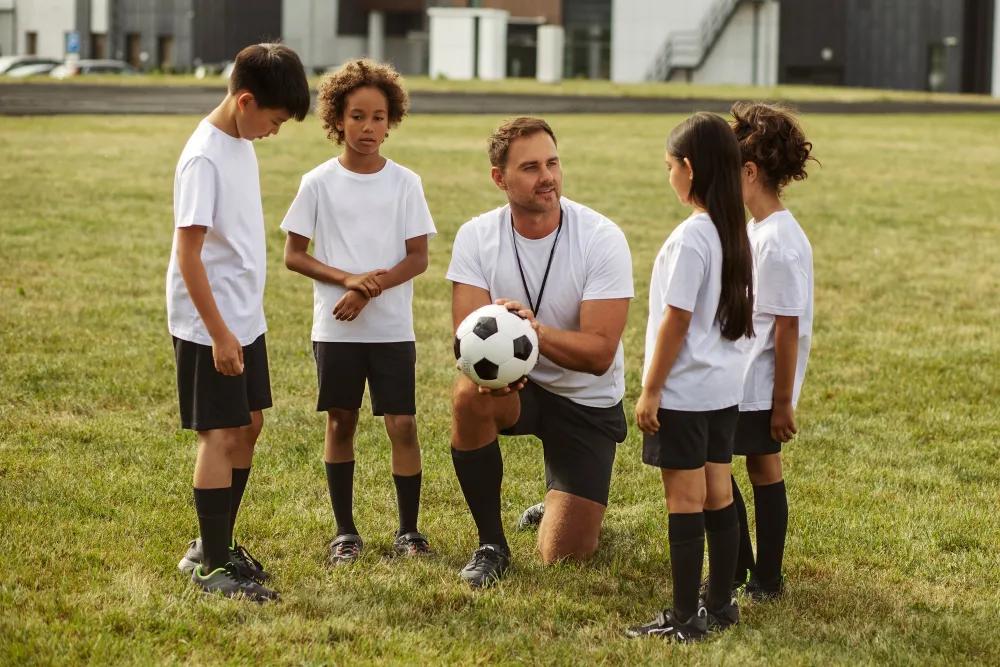
Youth sports play an important role in helping children develop healthy habits, social skills, and physical abilities. As children grow, they benefit from activities that encourage movement, teamwork, and personal growth. Many families choose youth soccer programs because they provide a positive environment where young athletes can learn valuable life lessons while enjoying an exciting sport. Participation helps build confidence, improve coordination, and create friendships. Soccer combines physical activity with skill development, making it an excellent choice for children who want to stay active and continue growing in a supportive setting.
Building Strong Physical Fitness
Improving Strength and Endurance
Regular participation in soccer encourages children to stay physically active through running, kicking, and various movement exercises. These activities strengthen muscles throughout the body and improve cardiovascular health. Young athletes gradually build endurance as they participate in practices and games. Increased stamina allows them to perform better during physical activities both on and off the field. Consistent exercise also supports healthy growth and development. Through structured training sessions, children learn the importance of maintaining fitness while enjoying a sport that keeps them engaged and motivated.
Enhancing Coordination and Balance
Soccer requires players to control the ball while moving in different directions. This combination of movement and focus helps improve balance, coordination, and body awareness. Children develop better control over their movements as they practice dribbling, passing, and shooting. Improved coordination can positively influence other sports and everyday activities. Learning how to react quickly and maintain stability during play helps young athletes become more confident in their physical abilities. These benefits contribute to overall athletic development and encourage continued participation in active pursuits.
Developing Valuable Social Skills
Learning Teamwork and Cooperation
One of the greatest advantages of soccer is the opportunity to work with teammates toward a shared goal. Children learn how to communicate effectively, support one another, and contribute to team success. These experiences teach cooperation and mutual respect. Working together during practices and games helps players understand the importance of collaboration. They discover how individual efforts contribute to group achievements. The lessons learned through teamwork often extend beyond sports and can help children develop stronger relationships in school and other social environments.
Building Friendships and Communication
Soccer provides a welcoming environment where children can meet peers with similar interests. Through regular interaction, they develop friendships that may last for years. Participation encourages communication skills as players learn to share ideas, listen to instructions, and interact respectfully with teammates and coaches. Positive social experiences help children feel connected and supported. As they become more comfortable communicating with others, they often gain greater confidence in group settings. These social benefits contribute significantly to personal growth and emotional well being.
Increasing Confidence and Self Esteem
Achieving Personal Goals
Children experience a sense of accomplishment when they learn new skills and reach personal milestones. Whether mastering a new technique or improving performance during games, each achievement contributes to growing self confidence. Success on the field helps young athletes recognize the value of dedication and effort. Setting realistic goals and working toward them teaches perseverance. As children see progress in their abilities, they become more willing to take on challenges and pursue new opportunities. This positive mindset can benefit many areas of life.
Encouraging Independence and Responsibility
Participation in organized sports encourages children to take responsibility for their actions and commitments. Attending practices, following instructions, and supporting teammates help develop accountability. Young athletes learn that consistent effort leads to improvement and success. They become more independent as they manage responsibilities related to training and participation. These experiences foster maturity and encourage children to make positive choices. Learning responsibility at an early age can provide long lasting benefits that extend beyond sports and into daily life.
Supporting Mental and Emotional Growth
Managing Stress in Healthy Ways
Physical activity is an effective way for children to release energy and manage stress. Soccer provides an enjoyable outlet that helps reduce tension and promote emotional well being. Participating in regular exercise can improve mood and support mental health. The focus required during games and practices helps children stay engaged and present in the moment. Positive interactions with teammates and coaches also create a supportive environment. These experiences contribute to emotional resilience and help young athletes develop healthy coping strategies.
Learning Resilience Through Challenges
Every athlete faces challenges, including mistakes, setbacks, and difficult competitions. Soccer teaches children how to respond positively to these situations. They learn that improvement often comes through practice, patience, and determination. Experiencing both victories and losses helps develop resilience and emotional strength. Young athletes discover the importance of maintaining a positive attitude and continuing to work toward their goals. These lessons encourage perseverance and help children build confidence in their ability to overcome obstacles throughout life.
Enhancing Athletic and Technical Skills
Developing Fundamental Soccer Techniques
Training sessions provide opportunities for children to learn essential soccer skills such as passing, dribbling, shooting, and ball control. Repeated practice helps improve technique and overall performance. As players gain experience, they become more comfortable applying these skills during games. Developing strong fundamentals creates a solid foundation for future athletic growth. Learning proper techniques also helps reduce frustration and increases enjoyment of the sport. Consistent instruction allows young athletes to progress at a pace that matches their individual development.
Improving Decision Making and Awareness
Soccer requires players to think quickly and make decisions in dynamic situations. Children learn how to evaluate options, anticipate movements, and respond effectively during play. These experiences strengthen problem solving abilities and encourage strategic thinking. Increased awareness of surroundings helps players react more confidently and efficiently. Decision making skills developed through soccer can benefit academic activities and everyday situations. By learning to assess challenges and choose appropriate actions, young athletes gain valuable skills that support success both on and off the field.
Creating Lifelong Healthy Habits
Encouraging an Active Lifestyle
Introducing children to enjoyable physical activities at an early age can inspire lifelong participation in fitness and recreation. Soccer helps establish positive habits by making exercise enjoyable and rewarding. Young athletes learn the value of staying active and maintaining a healthy lifestyle. Regular movement supports physical health while reducing sedentary behaviors. When children associate exercise with fun and personal achievement, they are more likely to remain active as they grow older. These habits can contribute to long term well being.
Promoting Discipline and Consistency
Success in sports often requires dedication, effort, and regular practice. Soccer teaches children the importance of consistency and commitment. Attending training sessions and working toward improvement helps develop self discipline. These qualities can positively influence academic performance and personal responsibilities. Learning to stay focused on goals encourages a strong work ethic that benefits many aspects of life. Through ongoing participation, children gain valuable experiences that reinforce the importance of persistence and continuous improvement.
Conclusion
The benefits of youth soccer extend far beyond the field. Participation supports physical fitness, social development, emotional growth, confidence, and valuable life skills. Children learn teamwork, responsibility, resilience, and discipline while enjoying an engaging and active sport. These experiences help create a strong foundation for future success and well being. Families seeking opportunities that encourage healthy development and positive experiences can find tremendous value in quality soccer instruction and training programs offered by Soccer Stars Huron Valley.