

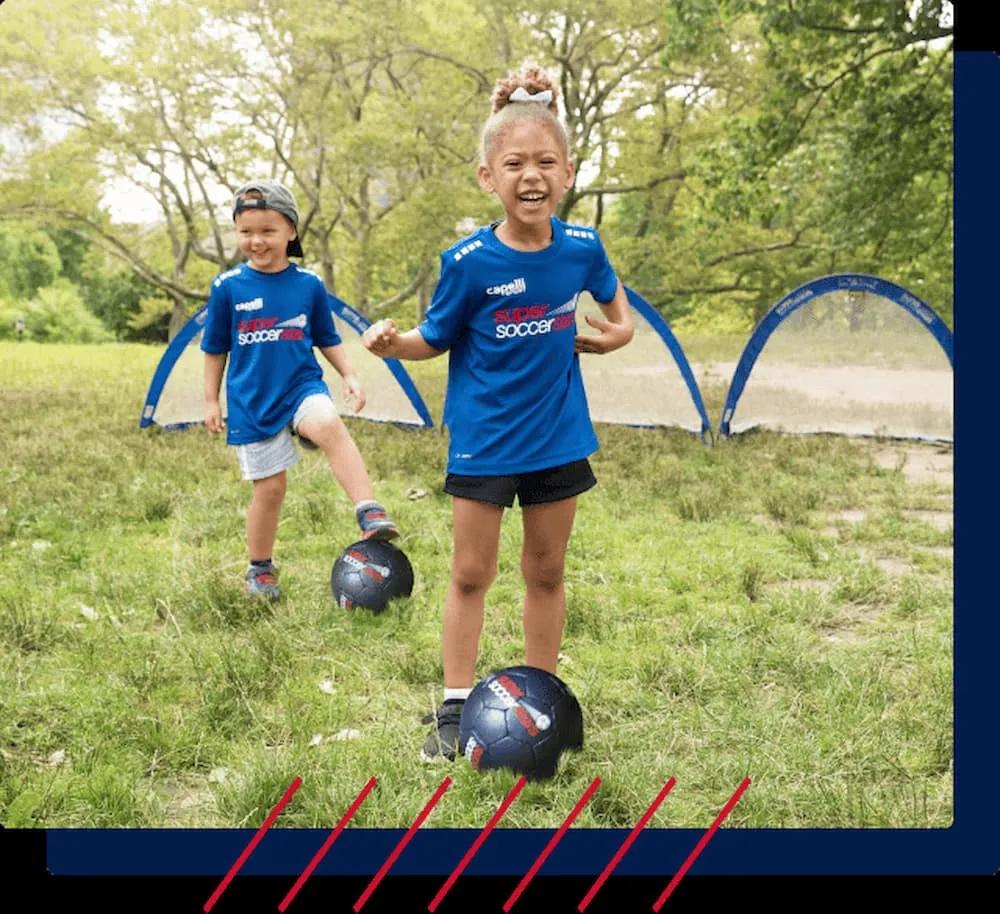
Children thrive when they have opportunities to stay active, learn new skills, and interact with others in positive environments. Sports play an important role in supporting healthy growth, and soccer continues to be one of the most popular activities for young athletes. Through structured training, engaging activities, and age appropriate instruction, kids soccer classes provide valuable experiences that help children develop physically, mentally, and socially. These programs encourage participation, teamwork, and personal growth while creating an enjoyable environment where children can build confidence and discover their potential through consistent practice and learning.
Physical Development Through Soccer Training
Building Strength and Coordination
Young athletes benefit greatly from activities that challenge their bodies in healthy and productive ways. Soccer encourages children to run, kick, balance, and change direction frequently during training sessions and games. These movements help strengthen muscles while improving overall body coordination. Regular participation allows children to become more comfortable with movement and develop better control over their actions. As coordination improves, children often feel more confident participating in physical activities, which can motivate them to remain active and continue building healthy habits throughout their developmental years.
Improving Endurance and Fitness
Physical fitness is an essential component of a child's overall well being. Soccer sessions involve continuous movement that helps increase stamina and cardiovascular health. Children spend time running, jogging, and performing drills that keep their bodies active throughout each class. Over time, these activities help improve endurance and energy levels. Better fitness can positively impact daily life by helping children stay active during school activities, recreational events, and family outings. Consistent participation in kids soccer classes provides an enjoyable way for children to develop healthy physical habits while having fun with peers.
Enhancing Social Skills and Teamwork
Learning to Work With Others
Soccer is a team oriented activity that teaches children how to cooperate with teammates to achieve common goals. During classes, young athletes learn the importance of communication, sharing responsibilities, and supporting one another. Working together helps children understand that success often depends on collective effort rather than individual achievement alone. These experiences encourage respect, patience, and understanding among participants. As children become more comfortable collaborating with others, they develop valuable interpersonal skills that can benefit them in school, friendships, and future group activities throughout their lives.
Developing Positive Relationships
Participation in organized sports provides opportunities for children to interact with peers who share similar interests. Soccer classes create an environment where friendships can naturally develop through teamwork and shared experiences. Children learn how to communicate effectively, resolve minor conflicts, and celebrate achievements together. These social interactions contribute to emotional growth and help young athletes feel connected to a supportive community. Building positive relationships at an early age can strengthen self confidence and encourage children to participate more actively in social situations both on and off the soccer field.
Supporting Mental and Emotional Growth
Building Confidence Through Achievement
Confidence often grows when children successfully learn and apply new skills. Soccer classes provide regular opportunities for young athletes to improve techniques, complete challenges, and achieve personal milestones. Whether mastering a new skill or contributing to a team effort, these accomplishments help children recognize their abilities. Positive reinforcement from instructors and teammates further encourages self belief. As confidence develops, children may become more willing to try new activities, overcome challenges, and approach unfamiliar situations with greater determination and a positive mindset.
Encouraging Resilience and Perseverance
Every young athlete experiences challenges while learning a sport. Soccer teaches children that improvement takes time, effort, and practice. Mistakes become valuable learning opportunities that help athletes grow stronger and more capable. Through consistent participation, children learn how to manage setbacks, remain focused on goals, and continue working toward improvement. Developing resilience at a young age can positively influence academic performance, social interactions, and future personal achievements. The lessons learned through persistence often extend far beyond the soccer field and contribute to long term personal development.
Improving Focus and Discipline
Following Instructions Effectively
Structured sports programs help children understand the importance of listening and following directions. Coaches introduce drills, activities, and exercises that require attention and concentration. As children participate regularly, they become more comfortable following instructions and completing tasks successfully. These experiences strengthen listening skills and encourage accountability. Improved focus can have a positive impact on classroom performance and daily responsibilities. Soccer classes create an engaging environment where children can practice discipline while enjoying activities that keep them motivated and interested throughout each session.
Developing Consistent Habits
Success in sports often requires regular attendance, practice, and commitment. Children who participate in soccer classes learn the value of consistency and dedication. Attending scheduled sessions and working toward improvement helps establish routines that support personal growth. These habits can influence other areas of life, including schoolwork, household responsibilities, and future extracurricular activities. Learning the importance of commitment at an early age provides children with valuable tools for managing responsibilities and achieving goals as they continue to grow and develop.
Creating a Positive Learning Environment
Making Physical Activity Enjoyable
Children are more likely to remain active when exercise feels enjoyable rather than mandatory. Soccer classes combine skill development with games and interactive activities that keep participants engaged. This enjoyable approach encourages children to look forward to each session and maintain enthusiasm for physical activity. Developing a positive association with exercise during childhood can contribute to healthier lifestyle choices later in life. By making movement fun and rewarding, soccer programs help children establish habits that support long term physical and emotional well being.
Encouraging Lifelong Participation in Sports
Exposure to sports at a young age often influences future activity choices. Children who have positive experiences in soccer classes may continue participating in sports as they grow older. Early involvement helps build foundational skills and confidence that make future athletic participation more accessible. Whether children pursue competitive sports or recreational activities, the lessons learned through soccer can provide lasting benefits. A positive introduction to athletics encourages ongoing engagement in physical activities that contribute to overall health and personal fulfillment throughout life.
Preparing Children for Future Success
Developing Leadership Qualities
Soccer classes provide opportunities for children to demonstrate responsibility, initiative, and leadership. Young athletes learn how to support teammates, communicate effectively, and set positive examples during activities. These experiences help children understand the importance of leading through actions and encouraging others. Leadership skills developed in sports often transfer to academic settings, community involvement, and future career opportunities. Learning how to guide and inspire others at an early age can contribute to stronger personal development and greater confidence in various situations.
Building Valuable Life Skills
The benefits of soccer extend beyond physical fitness and athletic performance. Participation helps children develop communication skills, time management abilities, problem solving strategies, and emotional awareness. These qualities support success in many aspects of life and prepare young athletes for future challenges. Through regular involvement in kids soccer classes, children gain experiences that encourage personal growth and foster important character traits. The lessons learned through teamwork, dedication, and perseverance often remain valuable throughout adolescence and adulthood.
Conclusion
Soccer offers children much more than an opportunity to stay active. It supports physical development, strengthens social connections, builds confidence, and teaches valuable life skills that contribute to long term success. Through engaging activities and structured instruction, young athletes gain experiences that encourage growth in many areas of life. Families seeking a positive environment where children can learn, develop, and enjoy sports can benefit from programs offered by Soccer Stars Huron Valley.