

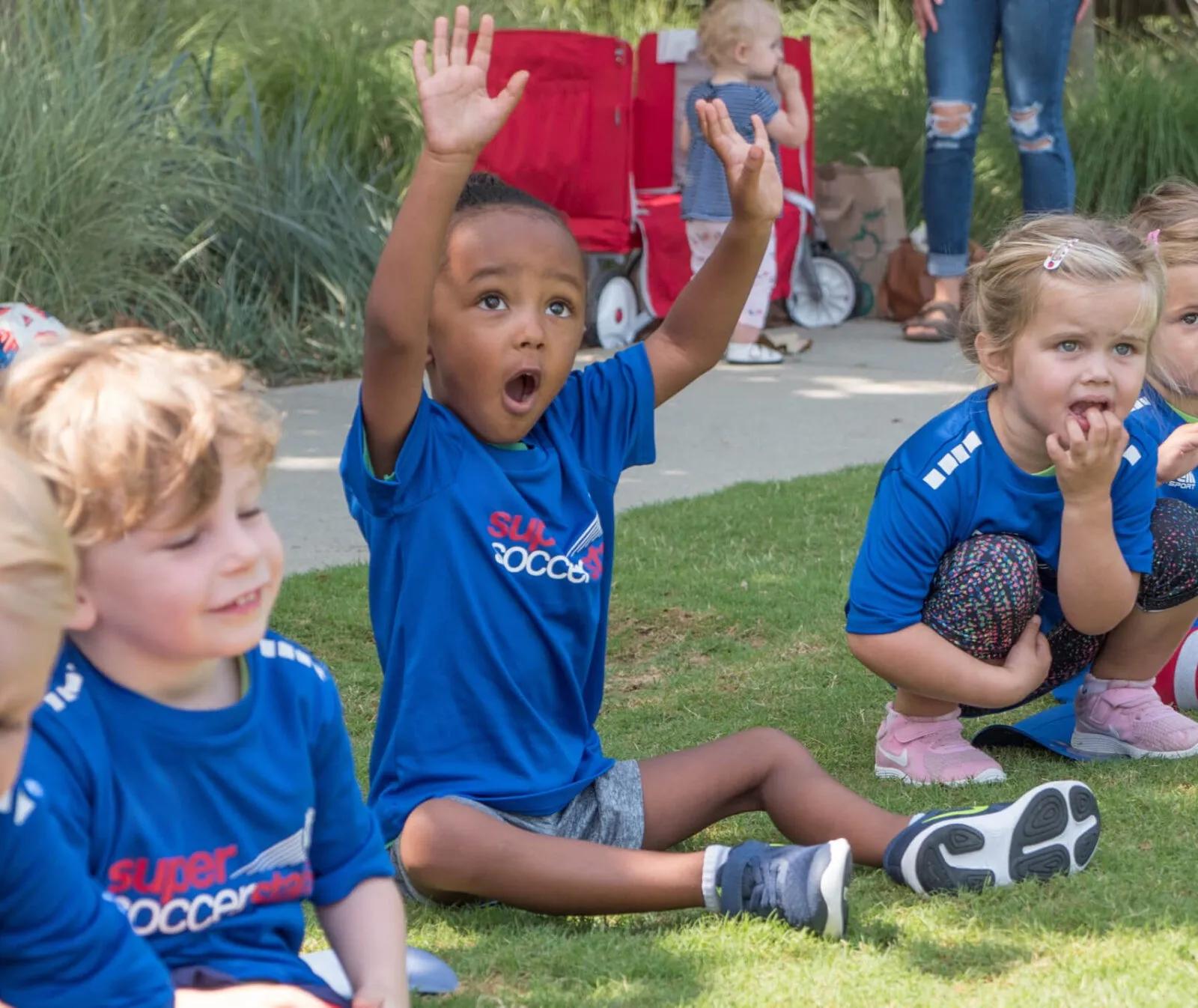
Parents often search for activities that help children stay active while learning valuable life skills. Sports programs are an excellent way to support physical, social, and emotional development during childhood. Among the many options available, beginner soccer classes for kids provide a welcoming environment where young players can learn the fundamentals of the game while gaining confidence. These classes are designed to introduce soccer in a fun and supportive manner, helping children develop new abilities, build friendships, and enjoy positive experiences that encourage long term participation in sports and physical activity.
The Importance of Beginner Soccer Classes
Beginner soccer classes provide children with an opportunity to learn the sport in a structured and encouraging environment. Families often choose beginner programs because they focus on skill development rather than competition. This approach helps children feel comfortable while learning at their own pace. Soccer classes introduce important concepts gradually, allowing players to build a strong foundation before moving on to more advanced skills. By creating a positive learning experience, these programs help children develop enthusiasm for the sport and confidence in their abilities.
Creating a Comfortable Learning Environment
Children are more likely to succeed when they feel supported and encouraged. Beginner soccer classes focus on creating an atmosphere where players can learn without feeling pressured. Coaches guide children through activities that promote growth while celebrating effort and improvement. Families appreciate programs that prioritize positive experiences because they help children remain motivated. A comfortable learning environment allows young athletes to develop skills confidently and enjoy the process of learning something new.
Encouraging Participation for All Skill Levels
One of the strengths of beginner soccer classes is their ability to welcome children with varying levels of experience. Some participants may be playing soccer for the first time, while others may have limited exposure to the sport. Families value programs that provide equal opportunities for learning and growth. By focusing on individual progress rather than comparison, beginner classes help children feel included and supported throughout their development journey.
Building Fundamental Soccer Skills
A major goal of beginner soccer classes is helping children develop essential soccer skills. Learning these fundamentals creates a strong base for future growth and enjoyment of the game. Families often choose soccer programs because they provide structured instruction that helps players improve gradually while having fun.
Learning Ball Control and Dribbling
Ball control is one of the first skills introduced in beginner soccer classes. Children learn how to move the ball using different parts of their feet while maintaining awareness of their surroundings. These activities help improve coordination and balance while increasing comfort with the ball. Families appreciate programs that focus on foundational skills because they give children the confidence needed to participate successfully in games and team activities.
Developing Passing and Receiving Skills
Passing and receiving are important aspects of soccer that encourage teamwork and cooperation. Beginner soccer classes teach children how to share the ball effectively while understanding the importance of communication. Learning these skills helps players become more aware of teammates and develop a stronger understanding of the game. Families value programs that teach both technical abilities and teamwork because these lessons contribute to overall growth and development.
Supporting Physical Development
Regular physical activity plays an important role in helping children grow and stay healthy. Beginner soccer classes encourage movement through engaging drills and activities that improve fitness while keeping children motivated. Families often seek activities that combine exercise with enjoyment, making soccer an appealing choice.
Improving Coordination and Balance
Soccer requires players to move in different directions, control the ball, and react quickly during activities. These movements help improve coordination, balance, and body awareness. Families appreciate opportunities that support physical development because these skills benefit children in many aspects of life. As players become more confident in their movements, they are better prepared to participate in a variety of physical activities and sports.
Encouraging an Active Lifestyle
Children who participate in sports often develop positive attitudes toward exercise and physical activity. Soccer classes introduce movement in a way that feels enjoyable and rewarding. Families value programs that encourage healthy habits because active lifestyles contribute to long term wellness. Regular participation helps children understand the importance of staying active while creating positive associations with fitness and recreation.
Building Confidence Through Achievement
Confidence is an essential part of childhood development. Beginner soccer classes provide opportunities for children to experience success, overcome challenges, and recognize their progress. Families often seek activities that help children build self confidence because it positively influences many areas of life.
Celebrating Individual Progress
Every child learns and develops at a different pace. Beginner soccer classes often focus on recognizing improvement rather than comparing players. Learning a new skill, participating actively, or showing persistence during practice can all be meaningful achievements. Families appreciate programs that celebrate effort because they encourage children to continue learning. Recognizing progress helps young athletes develop confidence and a positive outlook toward personal growth.
Learning Through Challenges
Developing soccer skills requires practice, patience, and determination. Children may encounter challenges while learning new techniques, but these experiences provide valuable opportunities for growth. Families value programs that teach resilience because overcoming obstacles helps children build confidence in their abilities. Soccer classes encourage players to view mistakes as learning opportunities and understand that improvement comes through consistent effort and dedication.
Developing Teamwork and Social Skills
Soccer is a team sport that encourages cooperation and communication. Beginner soccer classes provide opportunities for children to interact with peers while learning how to work together toward common goals. Families often choose soccer because it supports social development alongside physical growth.
Understanding the Value of Teamwork
Teamwork is a central aspect of soccer. Players learn how to support teammates, share responsibilities, and contribute to group success. Families appreciate activities that teach cooperation because these skills are useful in school, community activities, and future careers. Soccer helps children understand that working together often leads to better outcomes and more enjoyable experiences for everyone involved.
Building Positive Friendships
Soccer classes create opportunities for children to meet peers with similar interests. Regular participation encourages interaction and communication, often leading to meaningful friendships. Families value environments where children can develop social confidence while forming positive relationships. Friendships built through sports contribute to a sense of belonging and help make the overall experience more enjoyable and rewarding.
Teaching Life Skills Beyond Soccer
The benefits of beginner soccer classes extend beyond athletic development. Participation helps children learn qualities that contribute to success in many areas of life. Families appreciate programs that provide opportunities for character development while teaching valuable soccer skills.
Developing Responsibility and Discipline
Attending classes consistently and following instructions help children learn the importance of responsibility. Players understand that effort and commitment play a significant role in improvement and success. Families value opportunities for children to develop discipline because these qualities can positively influence academic performance and personal behavior. Soccer encourages accountability while teaching children the rewards of dedication and persistence.
Strengthening Decision Making Skills
Soccer requires players to think, react, and make decisions during activities and games. Children learn how to assess situations and choose appropriate actions while adapting to changing circumstances. Families appreciate experiences that encourage critical thinking because these skills are valuable in everyday life. Soccer provides practical opportunities for children to develop confidence in their decision making abilities while improving problem solving skills.
Conclusion
Beginner soccer classes offer children a valuable opportunity to develop skills, build confidence, and enjoy physical activity in a supportive environment. Through structured instruction and engaging activities, young players learn the fundamentals of soccer while gaining important social and personal development benefits. The lessons learned through participation extend far beyond the field and contribute to long term growth and success. Families seeking a positive introduction to sports often find soccer to be an excellent choice. Programs offered by Soccer Stars Huron Valley help young athletes develop confidence, strengthen skills, and create meaningful experiences that support healthy development and a lifelong love of the game.